
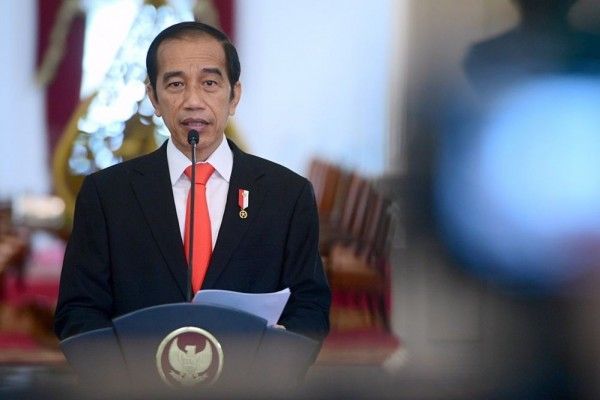
THERE is a particular brand of irony reserved for retired statesmen who discover a sudden passion for the institutions they once helped dismantle. The recent admission by Indonesia’s seventh president, Joko Widodo, that he would “concur” with a return to the original Anti-Corruption Commission (KPK) Law, has been met in Jakarta not with applause, but with a raised eyebrow. For the activists who spent years shouting into the gale of the 2019 revisions, Mr. Widodo’s change of heart feels less like a moral awakening and more like a tactical attempt to polish a tarnished legacy.
The critique from Boyamin Saiman of MAKI, a legal watchdog, is surgical. He points out that the “Strategic Trader” in Mr. Widodo never truly opposed the weakening of the KPK; in fact, his administration oversaw the infamous “civics test” (TWK) that purged the agency of its most effective investigators. To suggest now that the law should be reverted is to acknowledge a mess that one helped create, while leaving the cleaning supplies to one’s successor.
The Perppu Route: A Test for the New Tenant
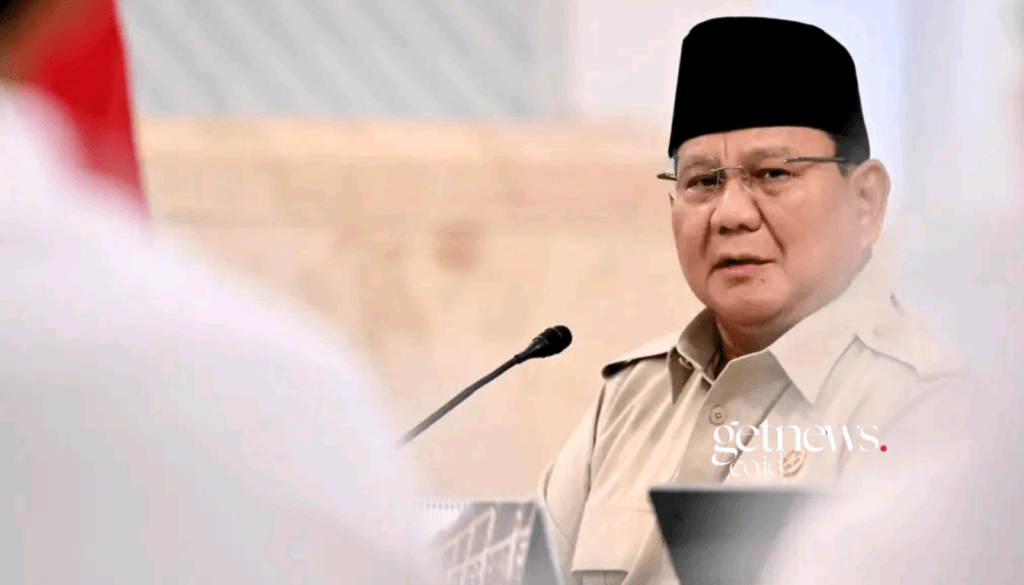
The spotlight now shifts, rather uncomfortably, to President Prabowo Subianto. MAKI’s suggestion is straightforward: if the political will exists, Mr. Prabowo should bypass the sluggish halls of Parliament and issue a Government Regulation in Lieu of Law (Perppu).
Legally, a Perppu requires a “compelling urgency.” With Indonesia’s Corruption Perception Index (IPK) stagnating and the KPK’s prestige at an all-time low, the argument for urgency is easy to make on paper. However, in the world of realpolitik, such a move would be a declaration of war against the very legislative cartels that supported the 2019 revisions.
Legacy vs. Ledger
For the new administration, the decision to revert the KPK Law is a choice between institutional integrity and political convenience. Reinstating the old KPK would satisfy the “moral mediators” and international observers, potentially improving Indonesia’s standing in the eyes of global investors who crave transparency. Yet, it would also reinvigorate an agency that, in its prime, was notoriously indifferent to the political status of its targets.
Whether Mr. Prabowo is willing to unleash such a “monster” back into the political ecosystem—especially one that might eventually look at the government’s own grand projects—remains the billion-rupiah question.
The bottom line: Reverting to the old KPK Law through a Perppu is the “reset button” that Indonesia’s democracy desperately needs. But in the world of the Strategic Trader, reset buttons are rarely pressed unless there is a clear profit to be made. For now, we are left with a retired president’s nostalgia and a new president’s silence.
Further reading: The Washington Gambit: Jakarta’s Pragmatism on Eroding Ground