
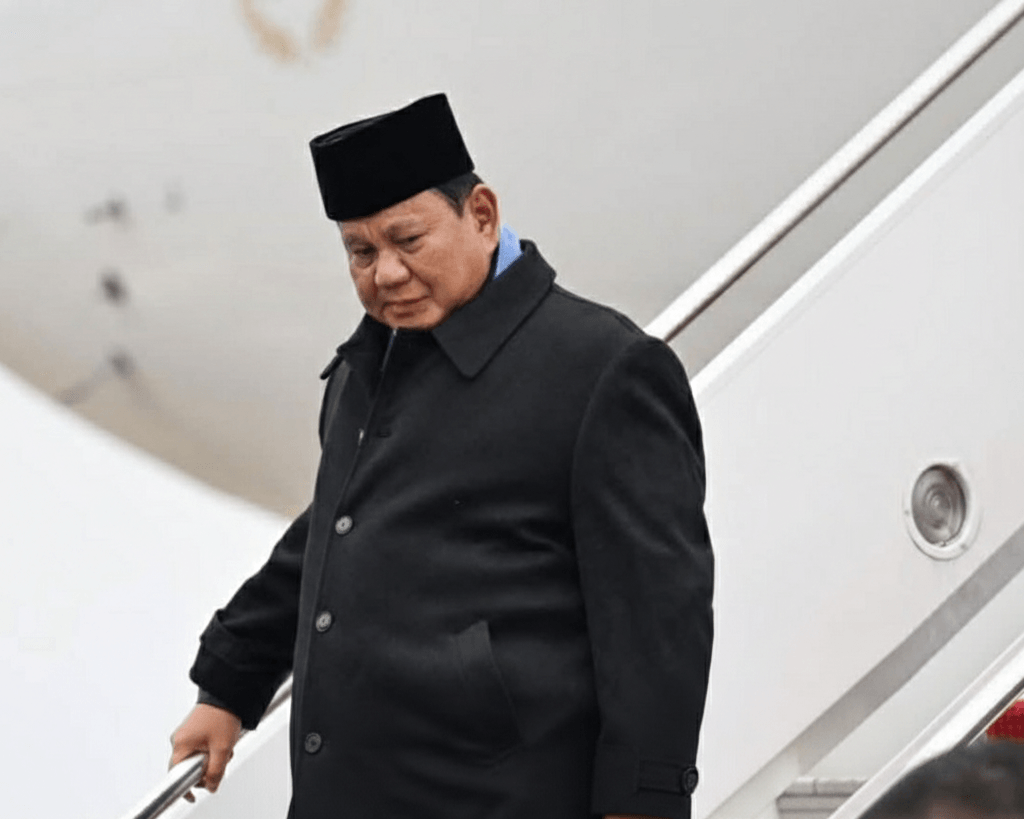
AS AIR Force One (the Indonesian version) touched down in Washington on February 18, the atmosphere was less about the “idealism of Bandung” and more about the “pragmatism of Wall Street.” President Prabowo Subianto’s arrival for the Board of Peace (BoP) Summit is merely the appetizer. The main course—and the reason for the intense Sunday briefing at Hambalang—is a bilateral sit-down with Donald Trump to ink the Agreement on Reciprocal Trade (ART).
Negotiated since 2025, the ART is the quintessential Trumpian trade pact. It discards the flowery language of “developmental aid” in favor of a stark, reciprocal tariff structure. For Jakarta, the deal is a calculated risk: opening the domestic market to American goods in exchange for a guaranteed 19% tariff floor for Indonesian exports. It is the signature move of a “Strategic Trader” who knows that in the 2026 global economy, moral high grounds are cold and lonely places compared to a well-stocked national ledger.
The Washington Handshake
Tomorrow’s signing ceremony at the White House (or perhaps a more gilded Trump property) marks the formal end of Indonesia’s “Free and Active” fence-sitting. By aligning so closely with the BoP’s economic core, Prabowo is betting that industrial survival and foreign direct investment are worth the domestic grumbling from those who still prefer the old, multilateral ways of the OIC.
Calculators in the Suitcase
Prabowo hasn’t come to Washington to discuss the finer points of international law or the nuances of the West Bank’s “state land” reclassifications. He has come with a suitcase full of calculators and industrial roadmaps. The ART is designed to turn Indonesia into a manufacturing hub that can bypass the “China-risk” while enjoying preferential access to the American consumer. It is a bold, transactional gambit that positions Jakarta not as a “developing nation” seeking charity, but as a “Strategic Partner” demanding a fair cut of the global pie.
The bottom line: Prabowo is playing the “ART of the Deal” better than most expected. He is trading historical sentiment for tangible market share. Whether this 19% gambit results in a national jackpot or just a very expensive diplomatic bill will depend on how well Jakarta can actually “trade” on the global stage.
Further reading: The Washington Gambit: Jakarta’s Pragmatism on Eroding Ground