
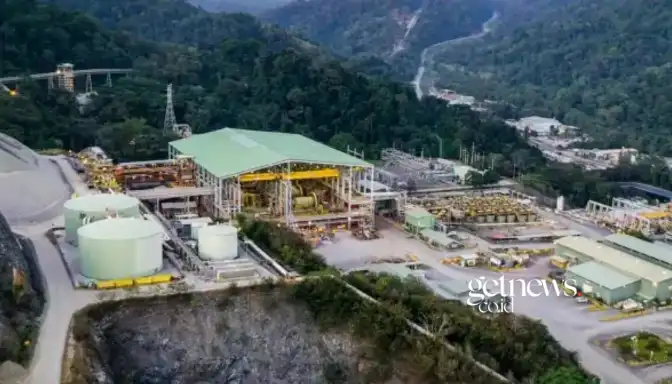
JAKARTA — A comprehensive study by the Institute for Economic and Social Research (LPEM FEB UI) has lifted the veil on the true economic scale of PT Amman Mineral Nusa Tenggara (AMMAN). While public discourse previously focused on the “surface” of tax contributions, this research reveals that between 2018 and 2024, AMMAN injected a staggering IDR 173.4 trillion into the national GDP. With an average annual contribution of IDR 24.8 trillion, AMMAN has evolved from a regional mining entity into a systemic player, accounting for approximately 0.13% of Indonesia’s entire economy.
These figures are far from mere ledger entries. Utilizing the Inter-Regional Input-Output (IRIO) methodology, LPEM UI demonstrates a domino effect reaching sectors as diverse as agriculture and logistics. The reported reduction in the national poverty rate by 0.024–0.098 percentage points is a bold claim; it suggests that activities within the Batu Hijau pit are capable of pulling tens of thousands of individuals above the poverty line, even far beyond the borders of West Nusa Tenggara.
Fiscal Might and Export Dominance
Fiscal data indicates that AMMAN has remitted IDR 39.05 trillion to the state treasury in taxes and royalties. However, its primary allure lies in the balance of payments. With export values reaching USD 10.29 billion, the company serves as a crucial fortress for foreign exchange reserves for Bank Indonesia amidst rupiah volatility. The imminent operation of its copper smelter promises to double this value-add, transitioning Indonesia from an exporter of concentrate to a high-value metal powerhouse.
GetNews Strategic Audit: LPEM UI Research Validation
An analysis of the macroeconomic impact findings regarding AMMAN’s operations:
Editorial Verdict: Solid Realities, Not PR Gloss
The LPEM UI research confirms that AMMAN is more than just a “local mine.” The IDR 173 trillion figure is a tangible economic reality, not merely a polished PR narrative. However, the sheer scale of this number serves as a warning: Indonesia now possesses a significant reliance on a single mining entity for foreign exchange stability and GDP growth. The transformation toward copper smelting downstream is no longer an option, but a necessity to ensure this IDR 173 trillion becomes the foundation for a future manufacturing industry, rather than a value that vanishes once the ore is depleted.
Verified Source: RUANGENERGI.com
FURTHER READING:
A Poultry Pivot: Lombok’s $75m Bet on Protein Autonomy