

An In-Depth Look: As the World’s Largest Fossil Fuel Subsidizer, Indonesia Risks Paying Carbon Taxes to Brussels While Its Own Exchange Stalls.
(Jakarta, getnews) — When the European Union introduced the Carbon Border Adjustment Mechanism (CBAM), the world’s first carbon tax on imports, it sent immediate shockwaves through the global export community. While its stated goal is to prevent carbon leakage (companies moving production to countries with looser environmental rules), the mechanism is (https://id.wikipedia.org/wiki/Mekanisme_Penyesuaian_Perbatasan_Karbon) set to take full effect on January 1, 2026.
1. ⚔️ The Conflict Arena: Steel, Nickel, and the Compliance Cost
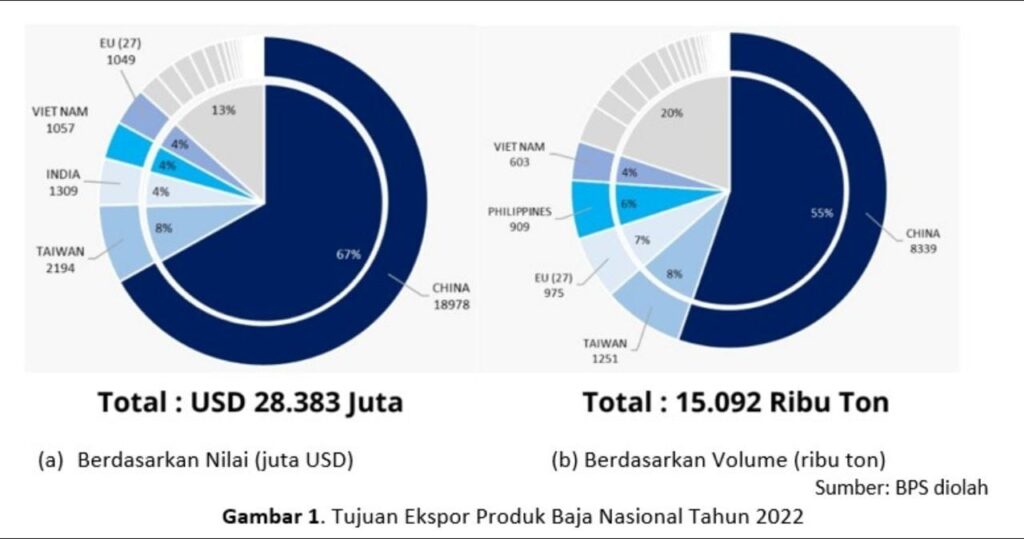
- Sectors Affected: CBAM’s initial phase covers sectors like iron and steel and aluminum, where the (https://artikel.pajakku.com/uni-eropa-bakal-terapkan-pajak-karbon-cbam-apa-dampaknya-bagi-indonesia) export value to the EU exceeds US$1 billion.
- The Export Threat: If Indonesian goods are imported into Europe, importers will be forced to buy CBAM certificates in Brussels. This compliance cost could result in a (https://artikel.pajakku.com/uni-eropa-bakal-terapkan-pajak-karbon-cbam-apa-dampaknya-bagi-indonesia) tariff increase of up to 16.8% for iron and steel exports.
- Nickel Controversy: The regulation intensifies the existing nickel dispute, where the EU previously (https://www.djkn.kemenkeu.go.id/kanwil-kalbar/baca-artikel/15503/Gugatan-Uni-Eropa-di-World-Trade-Organization-WTO-Mengancam-Hilirisasi-Industri-Pertambangan-di-Indonesia.html) challenged Indonesia’s nickel ore export ban at the WTO.
2. ⏳ The Solution: Urgency of the Indonesian Carbon Exchange
Indonesia has a strategic escape route: If companies pay a carbon price through a local exchange that meets EU standards, they can be (https://www.fairatmos.com/id/blog/51/detail) exempted from buying CBAM certificates in Europe.
- The Slow Start: President Joko Widodo (https://setkab.go.id/buka-bursa-karbon-pertama-ri-presiden-kontribusi-nyata-indonesia-hadapi-perubahan-iklim/) launched the Indonesian Carbon Exchange (IDXCarbon) in September 2023.
- The Financial Risk: If Indonesia fails to rapidly strengthen IDXCarbon, the (https://alamtriminerals.id/blog/51/detail) carbon costs paid through the CBAM levy are expected to become a significant revenue source for the European Union</a>.
3. GET INSIGHT: Paying Tax to Brussels
Indonesia must move beyond merely launching the exchange and proceed with aggressive regulatory intervention.
- The Final Word: If Indonesia fails to accelerate its local carbon market implementation, the nation will not only miss its emission reduction targets but will also be passively diverting potential national revenue into the EU’s coffers.


