
Insight Analysis: Why Jakarta’s Finance Chief Draws a Line Between Fiscal Integrity and State-Owned Enterprise Consolidation
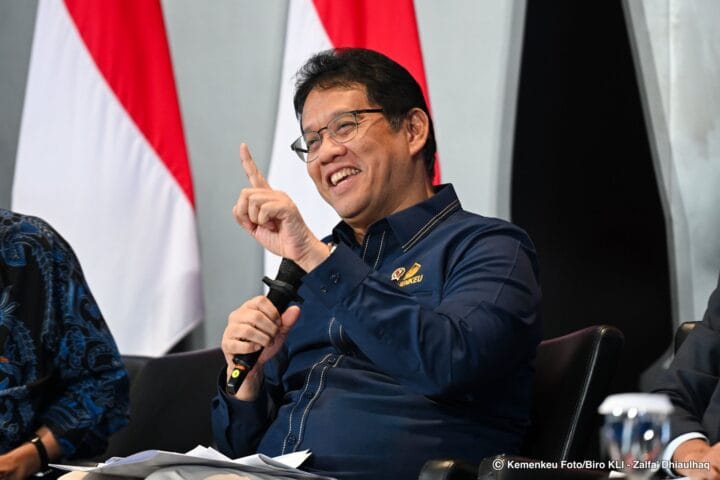
Minister of Finance, Purbaya Yudhi Sadewa, is currently navigating a high-stakes political tightrope. He openly rejected a request for tax relief for several State-Owned Enterprises (BUMN) proposed by Danantara CEO, Rosan Roeslani, specifically concerning tax obligations incurred before 2023.
”He asked for tax relief for several BUMNs, to eliminate their tax obligations. Well, that is not possible!” stated Purbaya firmly.
The Fiscal Stance (The Hard NO):
Purbaya’s refusal to erase these past tax debts is based on strong fiscal principles. He asserted that the companies involved were already profitable and, in some cases, had foreign ownership components. For the government, granting debt forgiveness to profitable state-owned entities would violate the principle of fiscal integrity and would be hard to justify to the public.
The Pragmatic Approval (The Soft YES):
Despite the rejection of past debts, Purbaya displayed pragmatism by agreeing to grant temporary tax incentives for BUMNs undergoing corporate actions or consolidation.
• Rationale: Purbaya acknowledged that imposing full taxes on complex corporate actions like mergers, acquisitions, and restructuring within the BUMN ecosystem would be “too expensive” and hinder the consolidation process of strategic projects like Danantara.
• Deadline: This relief is temporary, with a time limit of 2 to 3 years. After this period, any corporate action will be subject to normal tax rules.
Purbaya is attempting to achieve a delicate balance: acting as a Fiscal Watchdog by protecting the state budget from debt erasure, while simultaneously serving as a Business Enabler by providing necessary flexibility for BUMNs to consolidate and become more efficient. His success hinges entirely on ensuring BUMNs meet the 2-3 year deadline and that the new incentives are not exploited to cover up past operational inefficiencies.
Source Links:
- (https://wartakota.tribunnews.com/nasional/876109/rosan-minta-utang-pajak-bumn-dihapus-menkeu-purbaya-enggak-bisa) Warta Kota – Rosan Minta Utang Pajak BUMN Dihapus, Menkeu Purbaya: Enggak Bisa
- (https://bukamatanews.id/read/2025/12/05/menkeu-purbaya-tegas-tolak-penghapusan-pajak-bumn-permintaan-bpi-danantara-dinilai-tak-masuk-akal) Bukamatanews – Menkeu Purbaya Tegas Tolak Penghapusan Pajak BUMN.
- (https://www.cnbcindonesia.com/market/20251204161856-17-691142/bos-danantara-minta-hapus-tagihan-pajak-2023-ini-jawaban-purbaya) CNBC Indonesia – Bos Danantara Minta Hapus Tagihan Pajak 2023, Ini Jawaban Purbaya.
- (https://finance.detik.com/berita-ekonomi-bisnis/d-8243284/danantara-minta-tagihan-pajak-bumn-sebelum-2023-dihapus-purbaya-nggak-bisa) DetikFinance – Danantara Minta Tagihan Pajak BUMN Sebelum 2023 Dihapus, Purbaya: Nggak Bisa!