

The staggering 80 percent dependence on raw milk imports highlights a critical policy failure and a severe threat to Indonesia’s national food security. A recent parliamentary visit by the House Commission IV signals an urgent need for structural intervention to protect a strategic protein source.
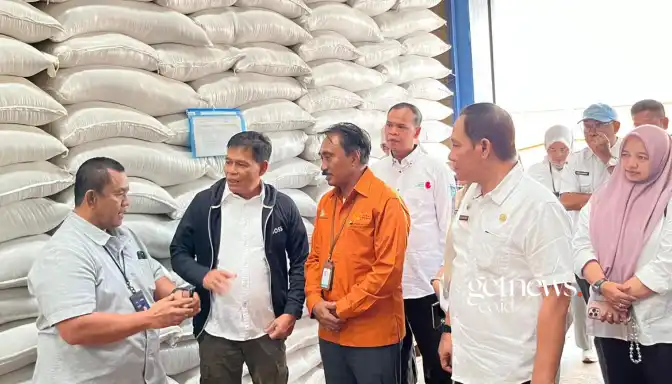
The findings of the House of Representatives (DPR) Commission IV regarding Indonesia’s reliance on imported raw milk, which stands at an alarming 80 percent, reveal a significant vulnerability in the national food security strategy. The Commission’s working visit to PT Greenfields Indonesia in Malang, East Java, underscored that food sovereignty can no longer be limited to staple commodities like rice and corn. Milk, as a strategic protein source, is now an exposed flank.
The Dairy Deficit: A Structural and Health Crisis
The 80 percent dependency is a manifestation of structural shortcomings in developing the domestic dairy industry, compounded by recent animal health crises:
- FMD Impact: The Foot-and-Mouth Disease (FMD) outbreak significantly reduced the local dairy cattle population, worsening the already strained domestic supply.
- Low Domestic Contribution: Local industry contribution remains critically small. For example, PT Greenfields, operating since 1997, only meets about 14 percent of the national requirement. The remaining supply is predominantly imported as powdered milk or raw materials, not locally-produced, nutritionally superior fresh milk.
- Policy Neglect: Commission IV Chair, Titiek Soeharto, explicitly stated that milk, despite being a strategic protein source, has not received adequate attention from the government.
Intervention Mandate: From Scrutiny to Regulatory Overhaul
The push by House Commission IV is not merely criticism, but a mandate for structured policy intervention designed to reduce imports gradually. This involves a two-pronged strategy:
- Targeting Imports: Deputy Chair Panggah Susanto highlighted that imports are dominated by powdered milk, despite the nutritional superiority of local fresh milk. Intervention must shift focus from importing powdered milk to incentivizing domestic fresh milk production.
- Regulatory Evaluation: The most crucial commitment is Commission IV’s readiness to evaluate regulations deemed to impede investment and development of the national dairy industry. This indicates the problem is systemic, residing not just with the cattle, but with an unsupportive legal and policy framework for local farmers and investors.
GET INSIGHT OUTLOOK: The Sovereignty Price Tag
The 80% import dependency on milk signifies that Indonesia’s food resilience is highly susceptible to global price volatility and the export policies of foreign nations.
The DPR’s firm statement is a clear signal to the Executive branch that ad-hoc measures are no longer acceptable. What is required is a long-term investment roadmap, clear incentives, and a regulatory environment that truly champions local producers.
The GET INSIGHT column will closely monitor Commission IV’s promised regulatory evaluation, demanding transparent progress towards genuine food sovereignty and reduced market vulnerability.
The Editorial Team