
Through geoparks, Indonesia demonstrates to the world that environmental preservation is not only about regulations but also about telling the story of community life.
Every international recognition of Indonesia’s natural wealth is both a celebration and a reminder of the profound responsibility to preserve it. In April 2025, Indonesia once again marked a significant achievement with the inclusion of two national geoparks in the United Nations Educational, Scientific, and Cultural Organization (UNESCO). This time, the UNESCO Global Geoparks (UGGp) program officially designated the Kebumen Geopark in Central Java and the Meratus Geopark in South Kalimantan.
The announcement was made during the 221st session of the UNESCO Executive Board in Paris, France, from April 2—17, 2025. Alongside 14 other geoparks from various countries, these new additions bring the total number of global geoparks to 229 across 50 countries. With this recognition, Indonesia now boasts 12 UNESCO-recognized geoparks, further cementing Nusantara’s position as a mega-biodiverse nation with exceptional geological, cultural, and ecosystem heritage.
“This UNESCO recognition is tangible proof of Indonesia’s contribution to preserving the valuable universal geoheritage,” said Indonesia’s Permanent Delegate to UNESCO, Mohamad Oemar, on Tuesday, April 15.
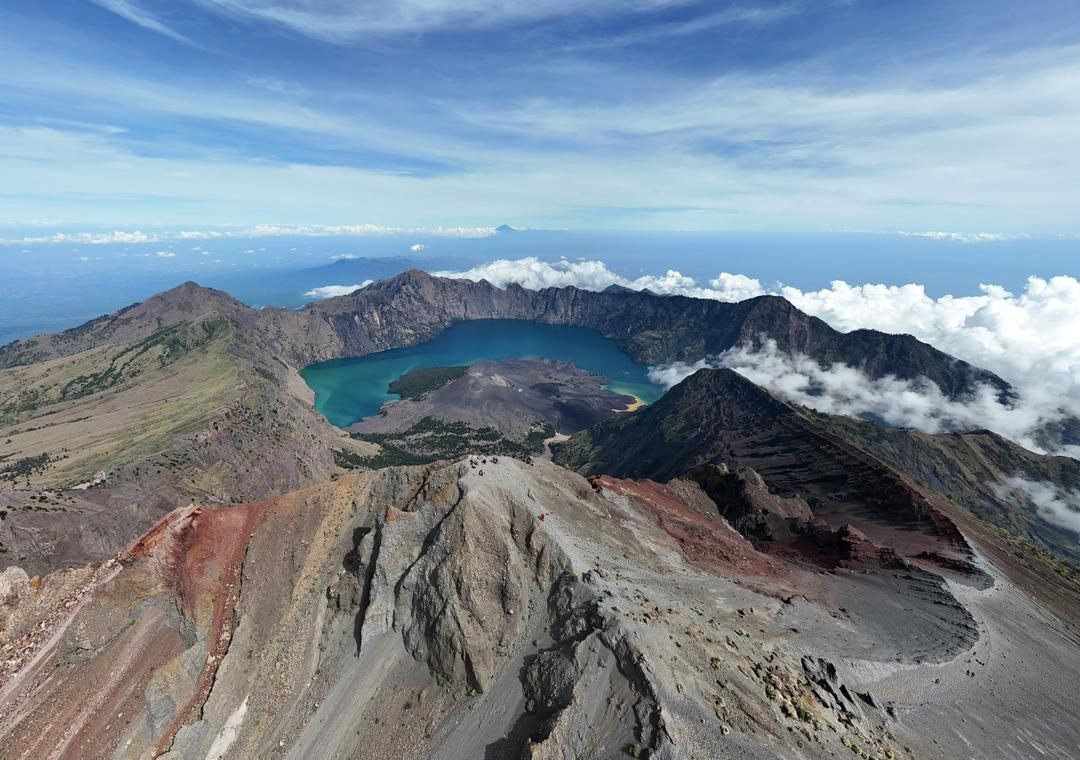
Indonesia’s previously recognized UNESCO Global Geoparks include Batur (Bali), Belitong (Bangka-Belitung), Ciletuh (West Java), Gunung Sewu (Central Java, Yogyakarta, East Java), Ijen (East Java), Maros Pangkep (South Sulawesi), Merangin (Jambi), Raja Ampat (West Papua), Rinjani (Lombok), and Toba Caldera (North Sumatra).
UGG status carries with it the responsibility to preserve, sustainably manage, and promote these areas’ geological and cultural richness
UNESCO Global Geoparks are far more than typical tourist destinations. This status marks a geographical area with international geological significance, managed through an integrated approach to education, conservation, and sustainable development. This concept is based on local community participation (bottom-up), positioning residents as guardians and key players in preserving and utilizing the area.
With this recognition, Indonesia showcases its breathtaking natural beauty and reaffirms its commitment to environmental protection and community empowerment, guided by local knowledge and sustainability.
Geological Traces and Life in Mountain Landscapes
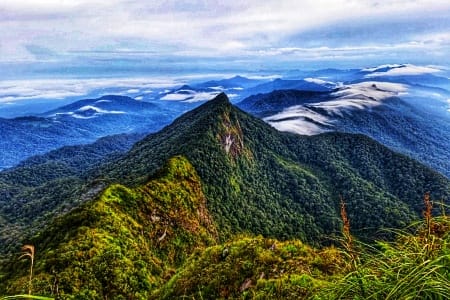
The Meratus Mountains stretch 600 kilometers across South Kalimantan, cutting through eight districts and reaching Central and East Kalimantan. Towering at its highest point—Mount Halau-Halau, which rises 1,901 meters above sea level—the range is home to one of Indonesia’s oldest ophiolite formations, created during the Jurassic period some 150—200 million years ago.
According to geologist Joko Susilo of National Development University ,”Veteran” of Yogyakarta, the Meratus Mountains bear witness to the collision of ancient tectonic plates. “Meratus is unique because it marks a site of past tectonic activity, creating rare rock formations that shape the landscape of South Kalimantan today,” he said.
This geological distinctiveness makes Meratus a natural laboratory, sheltering a wide array of endemic flora and fauna. Among them are the giant orchid (Grammatophyllum speciosum), the spathoglottis orchid (Spathoglottis urea), proboscis monkeys, sun bears, and two newly discovered bird species: the Kadayang flycatcher (Cyornis kadayangensis) and the Meratus white-eye (Zosterops meratusensis).
But Meratus is more than a natural wonder—it is also a home to the Dayak and Banjar indigenous communities. These groups uphold local wisdom, oral culture, and traditional ecological practices in interacting with nature.
For example, the Meratus Geopark Management collaborates with local communities, such as the Dangsanak Meratus Geopark Community, to train people in tourism management and environmental conservation.
Communities are also empowered to utilize local natural resources, such as reeds and bamboo, transforming them into high-value handicrafts.
Various flora and fauna conservation initiatives are also being developed, including the Orchid Conservation House in the Sultan Adam Nature Reserve and the Proboscis Monkey Conservation in Batola Regency, which preserve biodiversity and serve as educational tourist attractions.
An Open-Air Geological Museum of Java Island
Meanwhile, the Kebumen Geopark represents the geology of Java Island, housing some of the island’s oldest rock formations. A key highlight is Karangsambung, a site that reveals the ancient meeting point of oceanic and continental rocks, dating back tens of millions of years. This area is known as a “natural geological laboratory” for scientists and students.
Kebumen also boasts striking karst landscapes, ancient fossils, and a rich cultural heritage—reflected in Javanese traditions, local craftsmanship, and regional cuisine. This synergy between natural and cultural heritage enriches the geopark’s narrative, making it an educational and cultural destination.
General Manager of the Kebumen Geopark Management, Sigit Tri Prabowo, explained that the Kebumen Geopark is nicknamed “The Mother of Earth” and offers a wealth of natural and cultural assets, spanning geo-diversity, bio-diversity, and cultural heritage.
“The Kebumen Geopark covers 22 of the 26 sub-districts in Kebumen and features a wide range of geological, biological, and cultural sites,” he said, as quoted on the official Kebumen Regency website, Saturday, April 18.
Among its geological highlights are the Lava Bantal and Rijang Merah in Seboro Village, which showcase views of volcanic rocks and striking colored rock layers, and the Watu Kelir site, where the convergence of two distinct rock types is clearly visible.
“The Kebumen Geopark also harbors rich biodiversity, with various plant and animal species thriving in various habitats,” he said.
Sigit Tri Prabowo emphasized that the Kebumen Geopark contributes not only to conservation but also to local tourism, economic development, and environmental education, providing tangible benefits to communities while prioritizing sustainability.
Honoring the Mandate, Securing the Future
Recognition as a UNESCO Global Geopark is not the final goal, but the beginning of a larger responsibility. These areas must be managed under strict principles of conservation and sustainability, proving that economic growth can align with environmental preservation.
As UNESCO Director-General Audrey Azoulay put it, geoparks are “beacons of sustainable development.” She emphasized the critical role of local communities in preserving the geoheritage while fostering educational activities rooted in local culture.
Through its geoparks, Indonesia demonstrates to the world that environmental preservation goes beyond policy—it is a living narrative shaped by communities. From the soaring peaks of Meratus to the ancient karsts of Kebumen, every inch of land tells a story written over millions of years, now woven into the fabric of global identity.
Foto cover: Spanning hundreds of kilometers, the Meratus Mountains stand as a striking testament to the collision of ancient Earth plates. MINISTRY OF TOURISM
indonesia.go.id