

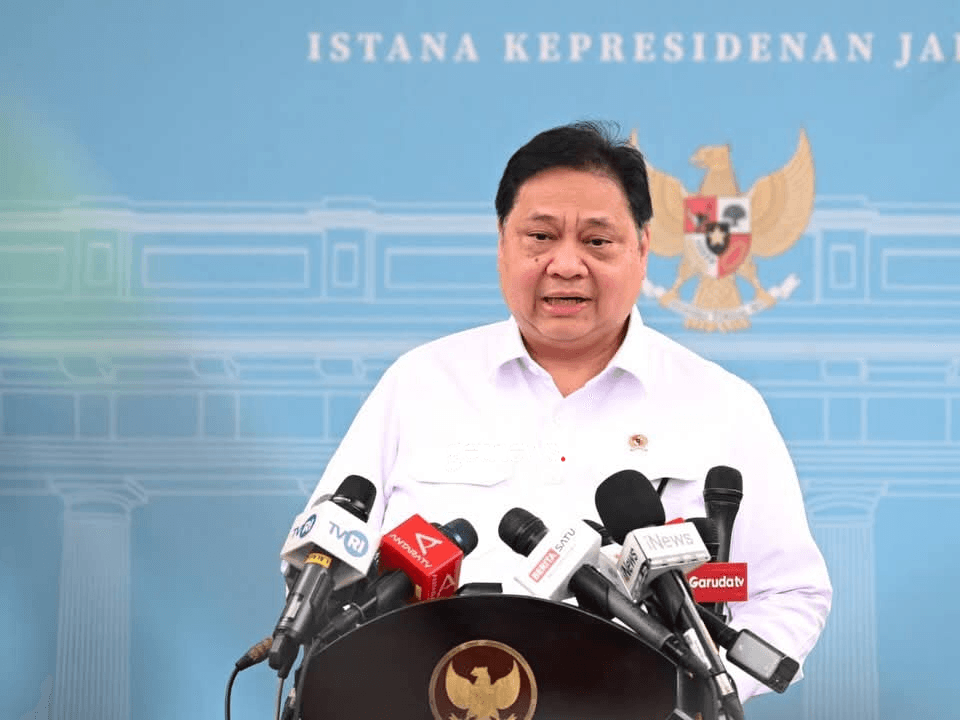
On February 11, 2026, at the Istana Merdeka, the Prabowo administration presented a set of macroeconomic figures that would be the envy of any G20 capital. With a Q4 growth rate of 5.39%, Indonesia is currently outperforming its peers in an otherwise sluggish global environment. Yet, beneath this headline-grabbing success lies a more complex narrative: a government doubling down on state-led consumption and an ambitious institutional reshuffle designed to stave off the skepticism of international credit rating agencies.
The Stimulus Paradox
Minister Airlangga Hartarto’s report highlighted a Rp60 trillion ($3.8 billion) injection for the Makan Bergizi Gratis (Free Nutritious Meals) program in the first quarter alone. In the short term, this is a classic Keynesian maneuver—propping up domestic demand and supporting the manufacturing sector, which remains in expansion territory. However, for the discerning observer, the question is not whether this stimulus will work, but how long the fiscal envelope can stretch before the debt-to-GDP ratio starts to rattle the “investment grade” status that the government so fiercely defends.
Strategic Audit: The 2026 Macro-Fiscal Defensive Shield
The administration’s strategy hinges on using Danantara as a vehicle to unlock non-tax state revenue, thereby creating a buffer against global outlook volatility.
Managing the Outlook
Despite the rosy numbers, Jakarta is bracing for headwinds. The mention of “anticipating negative outlooks” from rating agencies suggests that the international community is closely watching how the Prabowo-Gibran administration manages the transition from a commodity-reliant surplus to a consumption-driven engine.
The government’s response is a hybrid model: social safety nets for 35 million families and transport subsidies to keep inflation in check, paired with the structural “Danantara” gambit to consolidate state wealth. It is a high-stakes play for “Indonesia Incorporated”—aiming to prove that you can indeed have massive social spending while maintaining the fundamental discipline of a market leader.
Verified Source: BPMI Setpres