
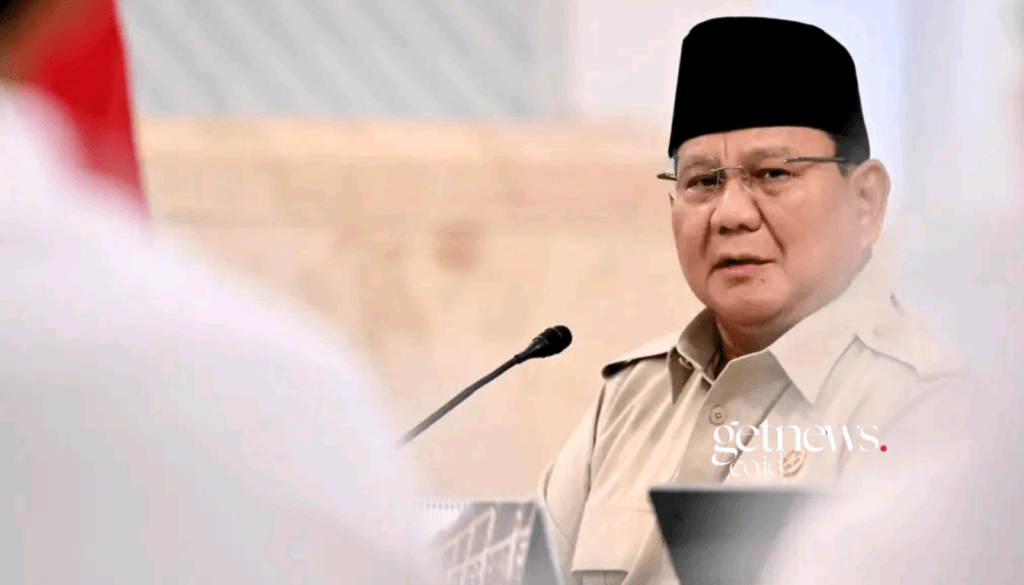
JAKARTA — In an era where global leaders are frequently tempted to broaden fiscal deficits to cushion the blow of volatile energy prices, President Prabowo Subianto is opting for a quieter, yet politically fraught path: austerity. According to a recent assessment by the Institute for Development of Economics and Finance (INDEF), Jakarta is now choosing to slash ministerial spending rather than allow the state budget deficit to breach the sacrosanct 3% ceiling. It is a resolute signal that under this new administration, macroeconomic stability will not be sacrificed at the altar of fleeting popularity.
This decision comes as global oil prices perform an unsettling dance at elevated levels. Mr. Prabowo is navigating a complex course: on one hand, he must shield domestic purchasing power through subsidies; on the other, he is determined not to bequeath a ballooning debt fueled by bureaucratic inefficiency. This “austerity” strategy marks the return of a rigorous economic pragmatism, where every rupiah spent must prove its value-add to the nation’s growth.
Spending Audits and the Digitalization of Subsidies
The linchpin of this belt-tightening orchestration is ensuring that fuel subsidies reach only those truly in need. For years, energy subsidies have been a fiscal “black hole,” swallowing trillions of rupiah with chronic inefficiency. By pushing for targeted subsidies and excising ceremonial budgets within ministries and agencies (K/L), Mr. Prabowo is attempting to reallocate capital toward productive programs.
However, the excision of ministerial spending is not without consequence. The risk of a slowdown in secondary infrastructure projects and a dip in budget absorption at the regional level poses a tangible threat to the 5% economic growth target. Yet, for global markets, this discipline is a positive signal that Indonesia remains a secure investment destination with a credible debt management framework.
GetNews Strategic Audit: The Fiscal Discipline Gambit
An analysis of the efficacy of budget austerity on national economic resilience:
Editorial Verdict: Painful but Necessary Discipline
Prabowo Subianto is sending a clear message: the era of “reckless spending” is over. Choosing austerity amidst energy price pressures is an intellectually brave move, yet socially challenging. If the government fails to communicate the rationale behind this efficiency, the public may perceive it merely as a withdrawal of benefits. The key lies in the execution of targeted subsidies; if successful, Indonesia will possess a far healthier fiscal foundation without burdening future generations with excessive debt.
Verified Source: BPMI SETPRES
FURTHER READING:
A Poultry Pivot: Lombok’s $75m Bet on Protein Autonomy