
Why the death of three paratroopers in Lebanon could force Jakarta to walk away from the “Board of Peace.”
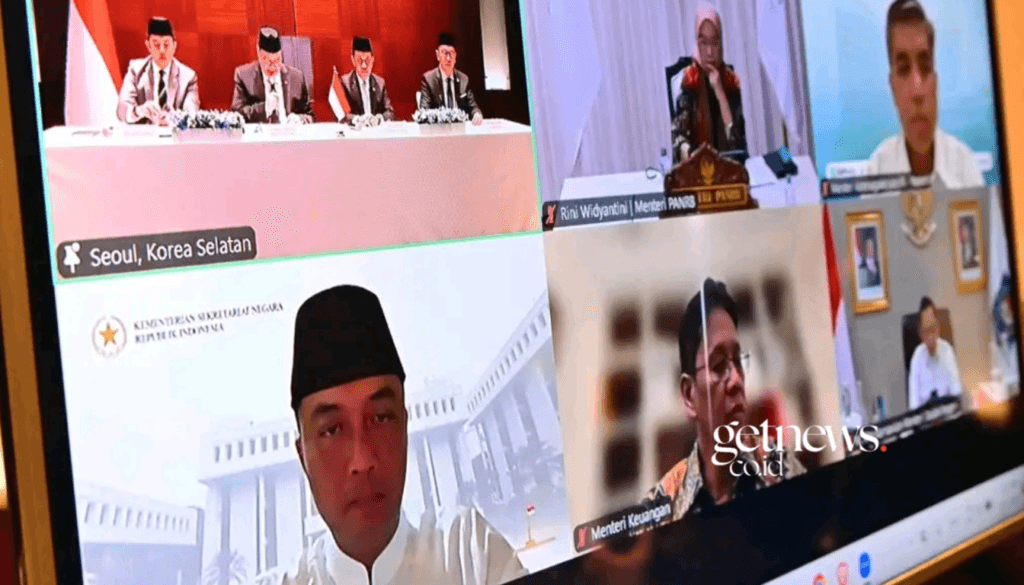
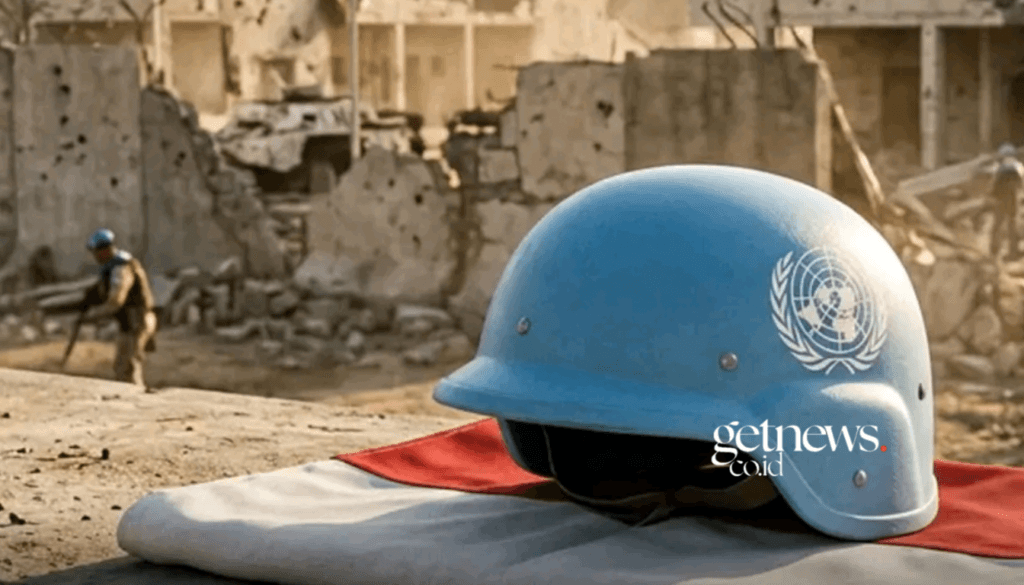
The “Board of Peace” (BoP) is built on the idealistic premise that international consensus can act as a shield for those who stand between warring factions. But in the dust of Southern Lebanon, that shield has shattered. For President Prabowo Subianto, the death of three TNI soldiers isn’t just a military loss; it is a profound diplomatic crisis that strikes at the heart of Indonesia’s “Free and Active” foreign policy. The demand for Indonesia to reconsider its seat at the BoP is an acknowledgment that the word “peace” has become a hollow currency in the Middle East.
The “Vantage” here is a pivot toward “Sovereign Realism.” If a state contributes the lives of its citizens to a global mandate, and that mandate fails to provide even basic immunity from deliberate artillery fire, the institution loses its legitimacy. By targeting the Kontingen Garuda, Israel has effectively “defiled” the value system the BoP is supposed to protect. For Prabowo, a leader whose brand is built on national dignity and military strength, staying in a body that appears powerless to protect his own men is becoming a political liability.
The world is watching to see if Jakarta will choose “Diplomatic Prestige” or “National Integrity.” If Indonesia remains silent within the BoP, it risks signaling that the lives of its peacekeepers are expendable for the sake of a seat at the table. However, if Prabowo initiates a strategic withdrawal or a high-level suspension of participation, it could trigger a domino effect among other troop-contributing nations, potentially collapsing the UN’s peacekeeping architecture as we know it. In the high-stakes poker of international diplomacy, Indonesia is about to decide if the cost of “peace” has finally become too high to pay.