
JUST WHEN you thought the five-day moratorium on power plant strikes was the peak of this week’s diplomatic theater, Donald J. Trump has ascended to a new level of “geopolitical imagination.” In a move that has left seasoned analysts reaching for their smelling salts, the former (and perhaps future) Commander-in-Chief has boldly claimed that he and the Iranian leadership could “share control” over the Strait of Hormuz.
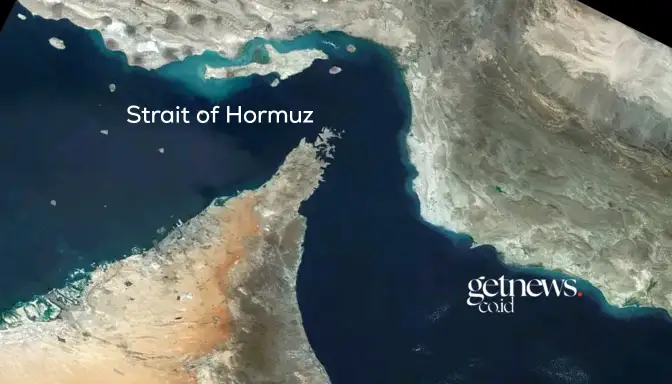
Yes, you read that correctly. The narrow waterway that channels 20 percent of the planet’s global energy supply—arguably the most volatile maritime real estate on Earth—is being pitched by Trump as if it were a co-working space or a joint-custody agreement. The message? “Why fight over the gate when we can both be the gatekeepers?”
| Strategic Component | Analytical Detail | Global Status |
|---|---|---|
| Energy Volume | 20% of Global Supply (The world’s economic jugular) | CRITICAL PULSE |
| Proposed Model | “Joint Custody” (Real estate broker-style diplomacy) | UNPRECEDENTED |
| Market Sentiment | A mix of cautious hope and panic-buying fuel | SPECULATIVE FLARE |
Source: Global Insights Network & Ambara Global Analysis 2026.
The ‘Global Valet’ Diplomacy
The Strait of Hormuz is notoriously cramped—only about 33 km wide at its narrowest point. If Iran so much as “sneezes” there, global fuel prices develop a fever. Trump, with his signature bravado, is claiming that he possesses the “chemistry” to invite Iran into a partnership to manage this bottleneck.
The logic is quintessentially Trumpian: the U.S. provides the carrier strike groups, and Iran provides the sovereign coastline. Combined, they become the world’s most powerful “valet service” for oil tankers. The snag? Inviting Tehran to share control is like asking a cat and a mouse to jointly guard a single jar of expensive tuna. Ambitious, certainly. Plausible? We’ll let you be the judge of that.
The Motive Behind the Magnanimity
Trump’s sudden pivot to “sharing” comes amidst a tension he largely stoked himself. It’s a classic pattern: create a crisis, push the opponent to the brink, and then offer a “fair” solution that just so happens to grant you a permanent seat at their dinner table.
For Trump, “sharing control” of the Strait means the U.S. gets a formal, legitimate excuse to hang out on Iran’s front porch. It’s brilliant, in a Machiavellian sort of way. But will the Ayatollahs hand over the keys to the kingdom to the man who, just 120 hours ago, threatened to turn off their lights?
The Verdict: Masterstroke or Media Bait?
In Trump’s world, everything is an asset to be managed, and the Strait of Hormuz is no longer about sovereignty—it’s about property rights. If this pipe dream actually materializes, we will witness a new world order where sworn enemies become business partners in the energy trade.
But never forget: in any agreement involving “shared control,” one party usually holds a slightly larger remote. And we all know who hates being second-best in any deal.