

Why Mataram’s gamble on small-scale mining regulation is a necessary defiance of fiscal gravity.
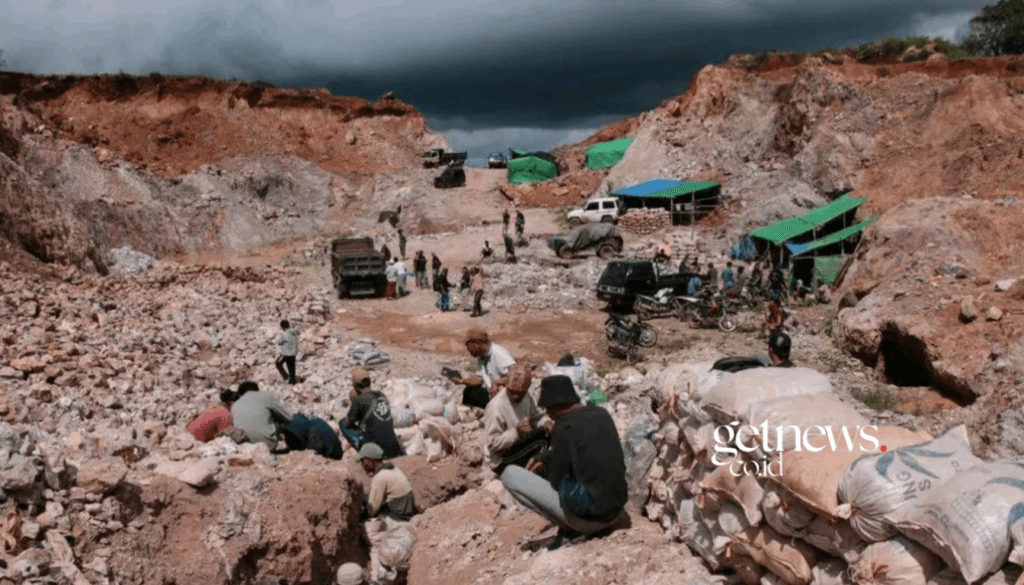
In the rugged hinterlands of West Nusa Tenggara (NTB), the earth has always been more than just soil; it is a precarious bank account for the rural poor. For decades, small-scale mining has existed in a legal twilight zone—productive yet untaxed, essential yet ecologically chaotic. Now, Governor Lalu Muhamad Iqbal is attempting to pull this “shadow economy” into the light of formal regulation. It is a bold, albeit desperate, move to counter the tightening grip of national fiscal austerity.
The numbers are stark. For every month the regional parliament (DPRD) ditherers over the new tax and retribution bill, NTB bleeds approximately IDR 20 billion ($1.2m) in potential revenue. In a province grappling with a 2025 budget hangover, this is not just an administrative delay; it is an expensive indulgence that the local treasury can ill afford.
Critics will rightly point to the “Projection Gap.” Unlike the corporate behemoths with their deep-pocketed geological surveys, small-scale miners operate on instinct and grit. Predicting their output is akin to forecasting the wind. However, the proposed three-variable tariff—weighing zonal access, production, and environmental mitigation—is a sophisticated attempt to price the unpriceable.
Yet, the true test of this regulation lies not in its ability to fill the coffers in Mataram, but in its capacity to professionalize a marginal industry. By formalizing the Izin Pertambangan Rakyat (IPR), the provincial government is essentially making a social contract: the right to dig in exchange for the responsibility to protect. If the DPRD fails to act swiftly, they are not just losing money; they are abandoning the rural economy to a lawless and unsustainable future. In the game of fiscal survival, Mataram cannot afford to leave its most valuable cards under the mud.