

Why the downfall of a strategic agency’s inner circle exposes the systemic fragility of Jakarta’s multi-billion dollar social engineering project.
The swift detention of Dadan Hindayana by the Attorney General’s Office (Kejagung) is not merely a localized anti-corruption sweep; it is a structural stress test for the regime’s signature policy. By placing the former head of the National Nutrition Agency (BGN) and his top-tier deputies in pink vests within hours of their administrative removal, the state has inadvertently exposed how quickly massive fiscal injections can be captured by insider cartels.
The anatomy of the fraud reveals a deep-seated institutional paradox. Designed as a centralized mechanism to distribute human capital dividends through the Free Nutritious Meal (MBG) program, BGN’s digital verification portal was instead weaponized. By bypassing compliance filters to approve shell foundations directly controlled by the agency’s top brass, the institutional framework did not prevent rent-seeking—it industrialized it. The transition from policy formulation to field implementation devolved into an aggressive commercialization of state-backed supply chains.
The downstream consequences are severely felt in the regions. The commodification of the Service Units (SPPG) turned micro-dairies and community kitchens into lucrative black-market concessions. In regions like East Lombok, West Nusa Tenggara, where logistics are fragile and dependencies on local agricultural supply chains are absolute, the illicit trading of SPPG points for up to Rp 950 million per spot completely broke the economic trust of local vendors.
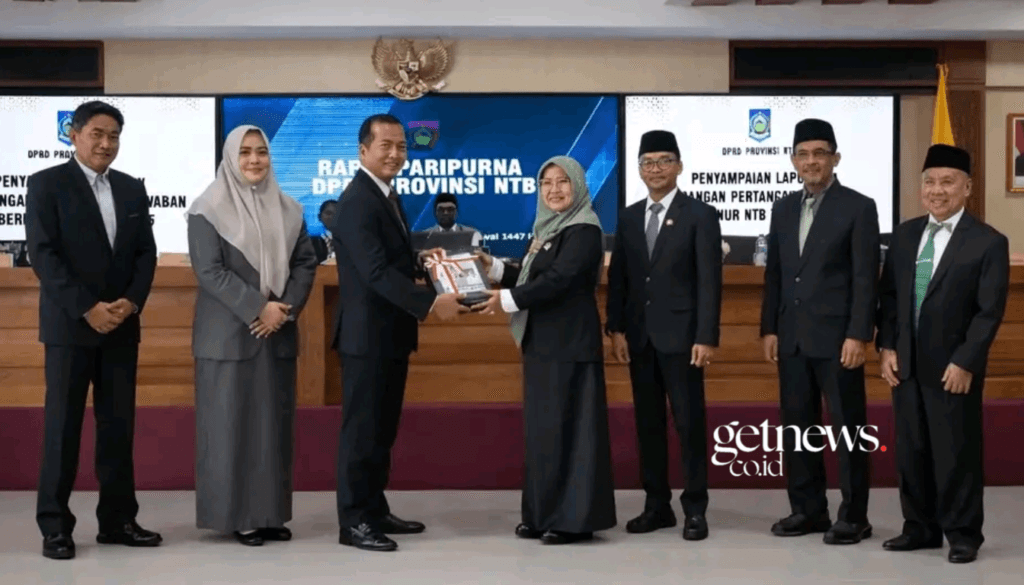
By replacing the leadership with Nanik S. Deyang, the administration is attempting a rapid institutional reset. However, the core dilemma remains unresolved. When a state creates a massive, top-down consumption market overnight, the primary risk is no longer just logistical efficiency—it is the systemic vulnerability to state capture. For Jakarta, cleaning up the BGN is no longer an option to preserve fiscal integrity; it is an existential requirement to ensure that the political capital invested in millions of school lunchboxes does not evaporate into bureaucratic graft.