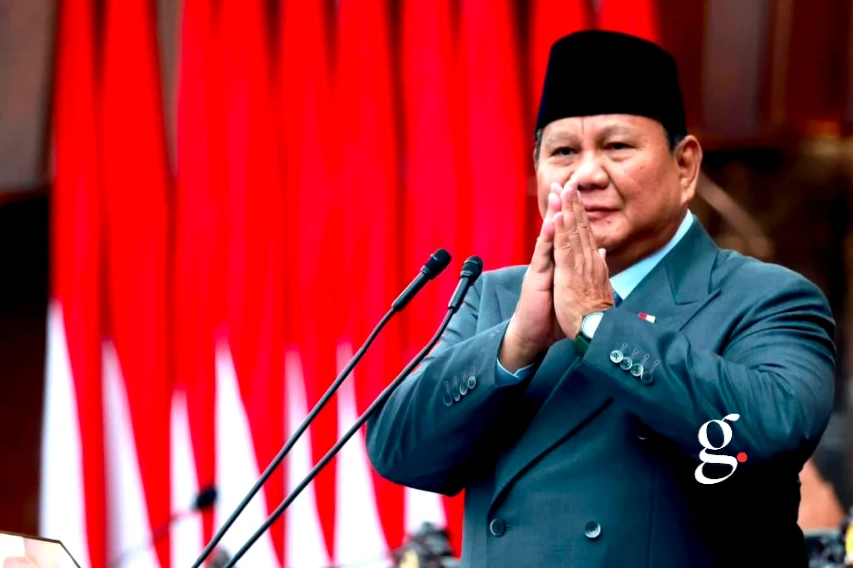

Indonesia’s annual “Smokey Season” has returned in all its asphyxiating glory, and the environmental advocacy group SUSTAINABILITAS has finally had enough of watching citizens breathe charcoal. In a press release that feels more like an urgent plea for oxygen masks, the organization is demanding that President Prabowo’s administration officially declare the ongoing forest fires (karhutla) a National Disaster under Law No. 24/2007.
The Ministry of Health dropped some breathtaking statistics—literally. Between mid-August and mid-October 2026, a staggering 283,270 people succumbed to Acute Respiratory Infections (ISPA) across 63 regencies in seven smog-choked provinces. That includes 63,711 toddlers whose first core memory of life in Indonesia is learning what PM2.5 tastes like!
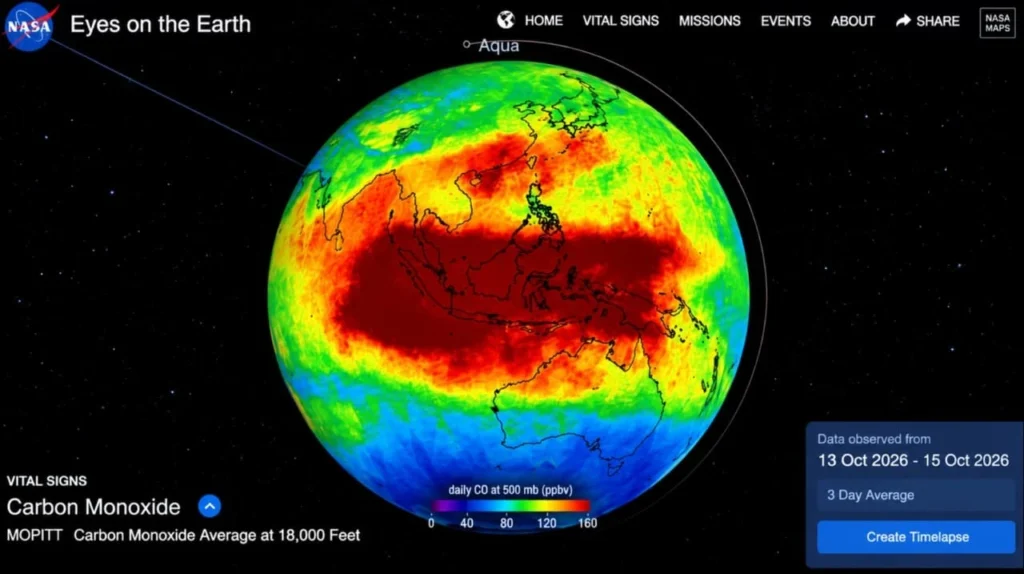
Economists at CELIOS estimate that El Niño-fueled flames devouring 895,657 hectares of land (a territory larger than Bali) have wiped out an eye-watering Rp29.54 trillion ($1.9 billion USD) in physical assets and halted economic productivity. Meanwhile, ASEAN’s meteorological center raised Alert Level 3 for the region, leaving wild orangutans, Sumatran elephants, and neighboring Singaporeans united in one collective coughing fit.
The Three-Step Masterplan: Leadership, Policy, and Actual Action!
To stop the government from treating toxic haze as a seasonal weather forecast, SUSTAINABILITAS laid out a three-pillared strategy to overhaul the nation’s climate governance:
1. Leadership: One Command Center to Rule Them All
Instead of 15 different agencies pointing fingers at each other like Spider-Man memes, the government needs a single unified command linking BNPB, the military, police, and regional governors. Transparency is non-negotiable: daily situation reports, real-time spending tracking, and actual accountability for plantation companies that “accidentally” set their concessions on fire. On the international stage, Indonesia is urged to invoke the ASEAN Agreement on Transboundary Haze Pollution (AATHP) before the upcoming ASEAN Summit in Manila to request regional reinforcement.
2. Policy: Stop Treating Peatlands Like Dry Kindling
Enforce existing environmental laws instead of treating them as decorative bookshelf ornaments. The plan demands an immediate freeze on new drainage canals in high-risk peatlands, a total moratorium on non-conservation peat development, and a strict audit of recurring fire zones. Oh, and Parliament actually needs to pass the long-delayed Climate Change Bill (RUU Pengelolaan Perubahan Iklim) rather than leaving it in legislative purgatory.
3. Action: Extinguish Fires, Provide Air That Doesn’t Kill People
On the ground, firefighter teams (Manggala Agni and local fire brigades) need actual equipment and water supplies rather than good wishes. The government must immediately deploy clean-air shelters with air filtration systems for vulnerable groups—children, pregnant women, and the elderly. Long-term goals (1–3 years) require rewetting degraded peatlands and building a zero-burn agricultural economy that doesn’t rely on a single matchstick to clear fields.
Is Breathing Oxygen Too Much to Ask?
For decades, Indonesia’s response to karhutla has followed a predictable, comedic routine: wait for the dry season, watch the forests burn, blame El Niño, send a few water-bombing helicopters, promise it won’t happen next year, and wait for the rains to put out the fires naturally.
SUSTAINABILITAS is pointing out the obvious: relying on monsoon clouds as your primary disaster management strategy is bad governance. It’s time for the national leadership to step up, officially declare the disaster, and clean up the air before lungs become an endangered species in Sumatra and Kalimantan!
Photo: (Nasa)
(Emha Firmansyah / Lilisatya Wati)