
MATARAM — The West Nusa Tenggara (NTB) State Museum has achieved international recognition by presenting its community-based development innovation through the “My City My Museum, My Village My Museum” (Kotaku Museumku, Kampungku Museumku) program at the global museum conference, the International Council of Museums Committee for Education and Cultural Action (ICOM-CECA) 2026.
The Head of the NTB State Museum, Ahmad Nuralam, confirmed that his institution, alongside the management of the Bala Datu Ranga Museum from Sumbawa Regency, received an official invitation to speak at the international conference themed “Museums in Divided Times: How to Foster Dialogue, Care and a Sense of Belonging”, held on November 9–14, 2026, at Taman Ismail Marzuki (TIM), Jakarta.
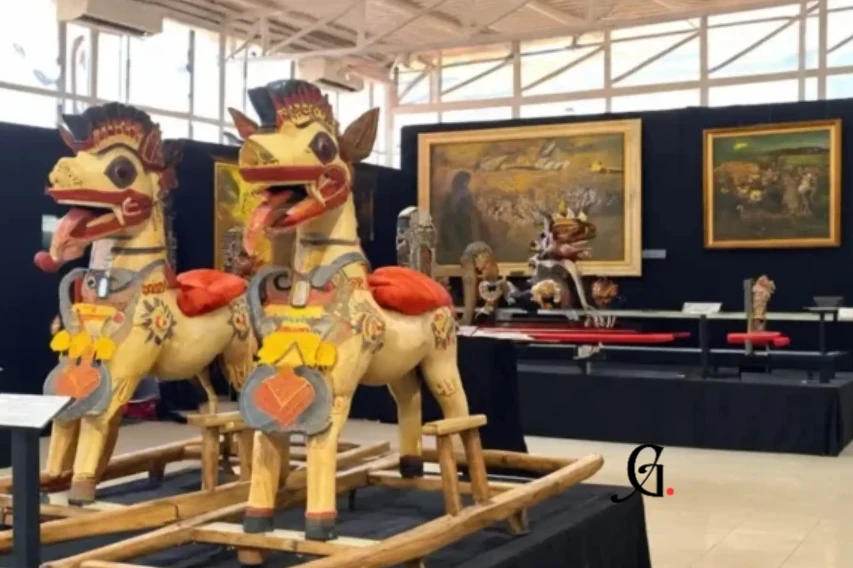
The village museum concept, developed over the past four years, was specifically designed to address the limited number of museums in NTB, which currently has only five official museums. This initiative has established nine village-based museums—including the Genggelang Village Museum in North Lombok, which was inaugurated by Culture Minister Fadli Zon in January 2025—as a strategic step to expand the local cultural preservation ecosystem at the grassroots level.
NTB Province Museum Ecosystem & Village Museum Program
| Policy Vector | Substantive Details & Cultural Achievements |
|---|---|
| Key Program Innovation | “My City My Museum, My Village My Museum” (Village-Based Museum Development). |
| International Forum | ICOM-CECA 2026 Conference in Jakarta (November 9–14, 2026). |
| NTB Delegated Speakers | Ahmad Nuralam (Head of NTB Museum) & Yuli Andari Merdikaningtyas (Director of Bala Datu Ranga Museum, Sumbawa). |
| Regional Facility Spread | 5 Official Museums + 9 Village Museums (Addressing the absence of regency/city level museums in Lombok Island). |
*Source: Museum Prov NTB (Data Processed)
Strengthening the Community-Based Museum Ecosystem
The participation of the NTB State Museum in the ICOM-CECA forum is expected not only to mark global recognition of the originality of the village museum concept, but also to open up opportunities for international collaboration, educational exchange, and knowledge transfer regarding community-driven cultural management.
The village museum initiative has proven to be an adaptive solution for an archipelagic region like NTB to preserve cultural heritage, local history, and oral traditions directly at the grassroots level.