
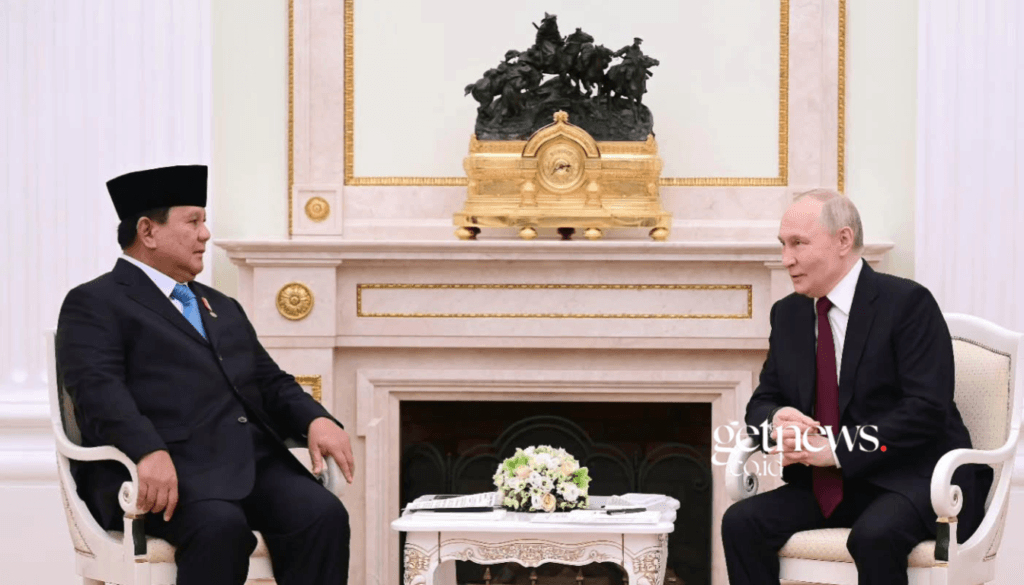
MOSCOW — While the West remains bogged down in the escalations of the Persian Gulf, President Prabowo Subianto chose the gilded halls of the Kremlin to reinforce Indonesia’s “independent and active” foreign policy. The five-hour summit with Vladimir Putin was not merely a diplomatic courtesy; it was a cold, hard calculation of national interest. As the national budget deficit looms and energy prices skyrocket, Mr. Prabowo has secured a series of long-term commitments in energy, industry, and space technology that could redefine Indonesia’s industrial landscape for the next decade.
The centerpiece of the “Kremlin Compact” is energy security. With oil prices surging due to the failed US-Iran talks, Russia’s offer of stable energy supply and nuclear technology cooperation provides Jakarta with a vital hedge against global volatility. This is particularly crucial as Finance Minister Purbaya Yudhi Sadewa struggles to contain the IDR 240.1 trillion deficit. For Mr. Putin, the agreement is a strategic win, proving that despite Western sanctions, Russia remains an indispensable partner for the G20’s emerging powerhouse.
Space, Steel, and Sovereignty
Beyond oil and gas, the cooperation extends to the final frontier: space. The agreement to develop space technology and satellite infrastructure is a giant leap for Indonesia’s digital sovereignty. In an era where telecommunications are the backbone of the economy—as seen in the digital challenges of the Hajj “War Ticket” proposal—Russian expertise could provide the technical scaffolding Indonesia needs. Furthermore, the industrial cooperation in steel and manufacturing aims to bolster the domestic supply chain, reducing reliance on volatile Western markets.
The Non-Aligned Gambit
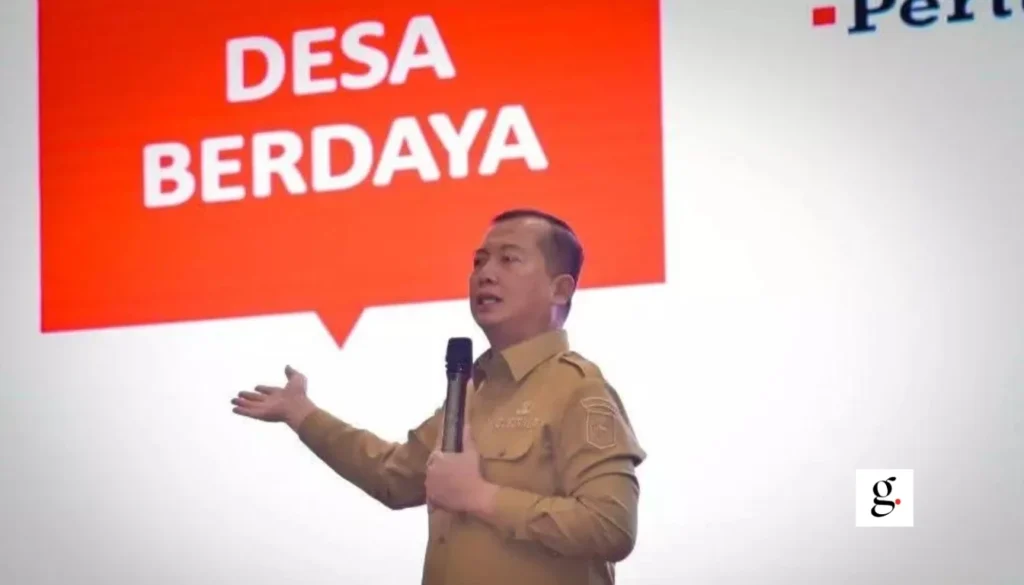
Critics in Washington may view this pivot with suspicion, but for Mr. Prabowo, this is about “long-breath” diplomacy. By balancing the aggressive posturing of Donald Trump’s “Bloody Tuesday” rhetoric with the steady, albeit controversial, partnership of the Kremlin, Indonesia is positioning itself as a neutral arbiter that can extract value from all sides. The educational exchange—offering scholarships for thousands of Indonesian students in Russian technical universities—is a long-term investment in human capital that mirrors the Desa Berdaya philosophy of self-reliance at the national level.
GetNews Strategic Audit: RI-Russia Strategic Agreement 2026
Analysis of the core pillars of the Prabowo-Putin summit:
Editorial Verdict: A High-Stakes Handshake
The Moscow summit is a clear indication that Indonesia is no longer content with being a passive observer of global conflicts. GetNews views this agreement as a bold attempt to decouple Indonesia’s economic future from Western volatility. If Mr. Prabowo can successfully navigate the inevitable diplomatic blowback from the G7, the “Kremlin Compact” may well provide the industrial and energy backbone that Indonesia needs to survive the brutal global winter of 2026.