
Jakarta – While the executive branch scrambles to restore market confidence amid severe macroeconomic headwinds—with the Rupiah hovering at a critical threshold of 18,044 per US dollar—a widening domestic graft probe has struck the core of the state’s paramount social welfare initiative. The aggressive anti-corruption campaign sweeping through the civil bureaucracy has breached the inner circle of the newly established National Nutrition Agency (BGN), exposing systemic gaps in the procurement models of high-profile regional projects.
According to an investigative report published by Kompas.com on Thursday evening (June 18, 2026), former BGN Deputy Chief turned justice collaborator, Sony Sonjaya, has blown the whistle on a massive, allegedly fictitious technology procurement scheme. Sonjaya’s testimony details widespread financial irregularities regarding the deployment of closed-circuit television (CCTV) security networks and biometric fingerprint tracking systems across regional supply hubs, with a total contract value exceeding Rp300 billion ($22.2 million). This ghost procurement operation was designed to siphon public funds from the flagship Free Nutritious Meals (MBG) program.
Ghost Infrastructure inside the Regional Kitchen Networks
The damning financial intelligence provided by Sonjaya uncovers the anatomy of an elaborate corporate rent-seeking scheme targeting the program’s primary logistical centers, known locally as the Nutritional Fulfillment Service Units (SPPG). The multi-million dollar contracts were officially designated to install real-time digital surveillance and biometric attendance systems at thousands of regional kitchens to ensure quality control, hygiene compliance, and data verification.
In operational reality, however, the infrastructure existed only on paper. The corporate syndicates involved reportedly bypassed standard electronic bidding protocols, securing direct awards through shell companies. They then falsified delivery and installation verifications across hundreds of rural administrative zones.
This digital facade allowed corrupt actors to trigger massive state payouts while the underlying security network remained entirely non-existent. This structural failure left the logistical supply chains highly vulnerable to product contamination and price gouging—operational deficits that recently triggered a sharp public backlash and internet-driven motions of no confidence from civil society watchdogs.
A Massive Blow to Governance and Digital Integration
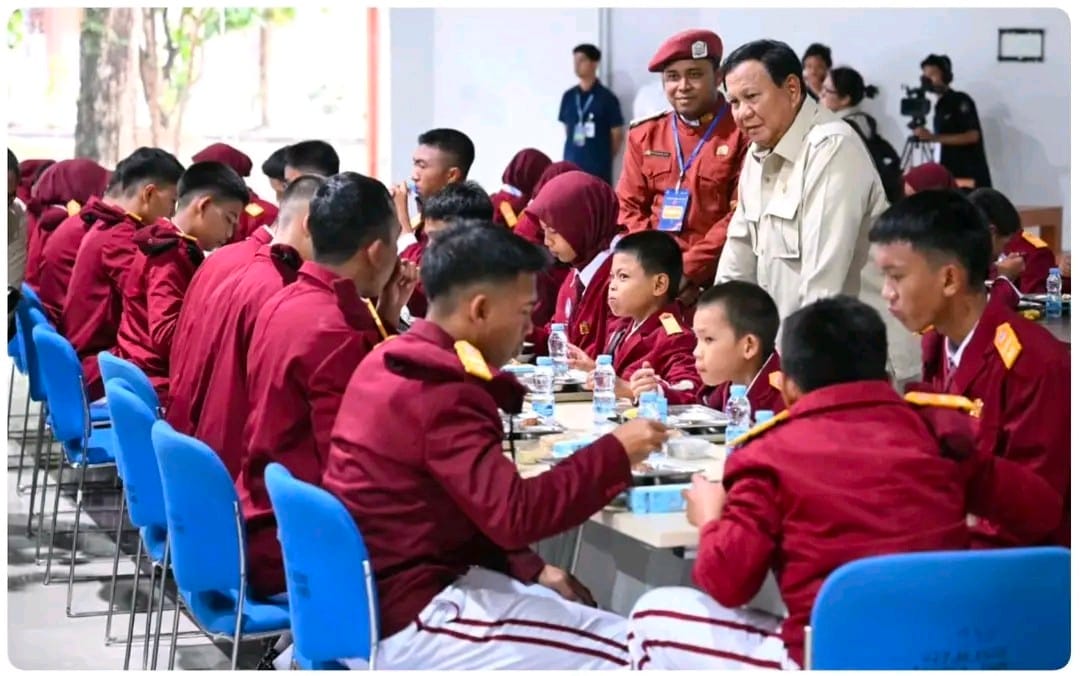
These startling disclosures deliver a severe reputational blow to the National Nutrition Agency’s leadership, specifically Chief Nanik S. Deyang. The revelation coincides with a sweeping policy shift led by current BGN Deputy Chief Agustina Arumsari, who recently declared a total operational freeze during the school holiday season to execute a rigid, comprehensive audit of all 27,000 sub-national kitchen units.
Arumsari had previously emphasized that BGN’s structural reforms would rely heavily on data validation and seamless integration into the national Government Technology (GovTech) architecture, which has currently reached an 80% completion benchmark under the guidance of the National Economic Council (DEN) led by Luhut Pandjaitan.
Instead of presenting an optimized, digitally sound asset register to the public, BGN must now defend its internal controls before the House of Representatives (DPR) Komisi IX. The parliamentary body had already forced the agency into a strict moratorium on building new commercial kitchen facilities, demanding a pivot toward decentralized, school-based models to eliminate monopolistic dependencies on single suppliers.
Cleaning the Counter Before Cooking the Meal
The unmasking of this Rp300 billion fictitious security contract serves as an emergency alarm for the highest echelons of the executive branch. The state cannot credibly demand fiscal austerity from regional governments—such as the severe budget cuts recently protested by West Nusa Tenggara Governor Lalu Muhamad Iqbal—if central agencies allow multi-million dollar technology funds to vanish into the bank accounts of ghost contractors.
The aggressive anti-corruption stance taken by Finance Minister Purbaya Yudhi Sadewa, who recently rejected orthodox austerity packages from the IMF to protect domestic welfare allocations, must now be matched by uncompromised internal policing. Otoritas penegak hukum must pursue the corporate beneficiaries of this ghost CCTV scheme with absolute precision, utilizing the fully integrated GovTech network to track the illicit flow of funds.
The public will accept no further excuses regarding the management of children’s nutrition. The administration must ensure that every single rupiah from the treasury goes toward feeding the population rather than fattening the wallets of bureaucratic middlemen. The era of loose procurement under the guise of national urgency is officially over; it is time to enforce the absolute rule of law.