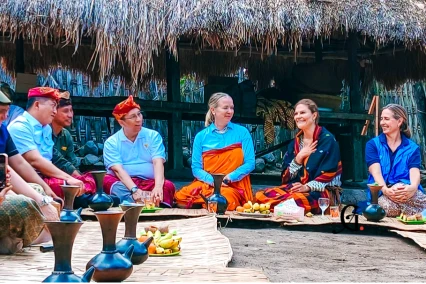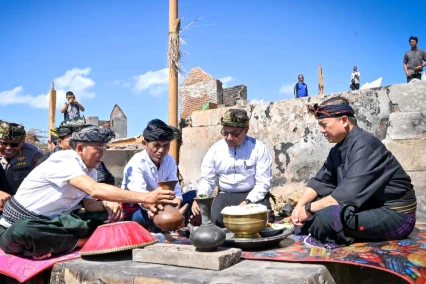

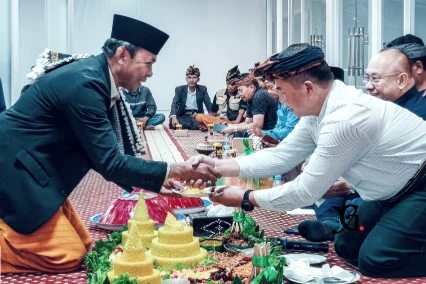
MANDALIKA — Ahead of the Pertamina Grand Prix of Indonesia 2026, the traditional Sasak betabeq ceremony was held in the Mandalika Special Economic Zone (KEK) on Wednesday evening (16/9/2026). For the Sasak community, betabeq represents an expression of seeking permission, blessings, and prayers for safety before embarking on a major event, underscoring that international occasions remain rooted in local culture, respect, and environmental harmony.
Organized by the Indonesia Tourism Development Corporation (ITDC), the event took place on the 2nd Floor of the VIP Deluxe Building at the Pertamina Mandalika International Circuit. The ceremony was attended by West Nusa Tenggara (NTB) Governor Dr. H. Lalu Muhamad Iqbal, Vice Chairman of Pertamina Grand Prix of Indonesia 2026 Ananda Mikola, Central Lombok Regent Lalu Pathul Bahri, ITDC management, MotoGP organizers, and residents from surrounding Mandalika villages.
NTB Governor Lalu Muhamad Iqbal emphasized that betabeq embodies respect for local residents, religious leaders, customary figures, and ancestors, signaling hospitality to international guests while praying for a smooth and safe event.
”Betabeq is fundamentally a request for permission, blessings, and safety before undertaking a major endeavor. It carries respect for the community, religious leaders, traditional figures, and ancestors, while sending a message of brotherhood to all who visit,” Governor Iqbal stated.
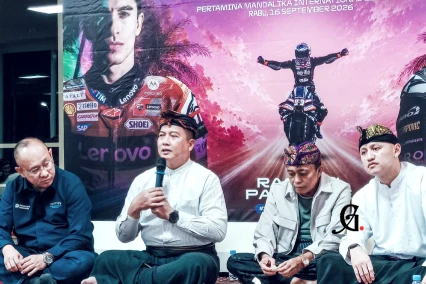
He added that local community involvement is vital as Mandalika grows on the global stage, ensuring residents act as active participants rather than mere spectators. To demonstrate this inclusivity, approximately 2,500 marshal positions for the Mandalika Grand Prix are being staffed by local NTB residents, alongside dedicated spaces for micro, small, and medium enterprises (MSMEs).
Vice Chairman Ananda Mikola highlighted the importance of cross-sector collaboration to ensure a seamless experience for global participants, while Central Lombok Regent Lalu Pathul Bahri appreciated betabeq as a vital preservation of cultural identity that enhances the destination’s economic and tourism appeal.