
If there is one thing world leaders love relying on in the modern era outside of ballistic missiles, it’s the publish button on social media. Just drop a series of spicy, provocative tweets, and suddenly the global stage is in a frenzy, financial markets are sweating, and self-proclaimed military analysts turn into overnight fortune tellers.
Turns out, that magic-thumb trick doesn’t work so well when you’re dealing with the defense establishment in Tehran.
Recently, Iranian Deputy Foreign Minister Kazem Gharibabadi delivered a cold, brutal reality check that instantly humbled anyone prone to flexing on the internet. Responding to soaring rhetorical threats—particularly from Donald Trump regarding the control of vital energy chokepoints—Gharibabadi laid it down straight: The Strait of Hormuz cannot be conquered by a tweet, a carrier strike group deployment, a daily executive order, or a flashy campaign speech!
When Aircraft Carriers Meet Gulf Geography
This scathing comeback landed squarely in the middle of escalating regional tensions. For the longest time, superpower military doctrines operated on the cozy assumption that parking a floating nuclear city nearby—like the USS Abraham Lincoln currently having an existential crisis out at sea—is more than enough to scare adversaries into handing over the keys to vital straits in a matter of days.
However, Tehran kindly reminded Washington’s policy architects of a basic rule: Geography cannot be rearranged using social media algorithms.
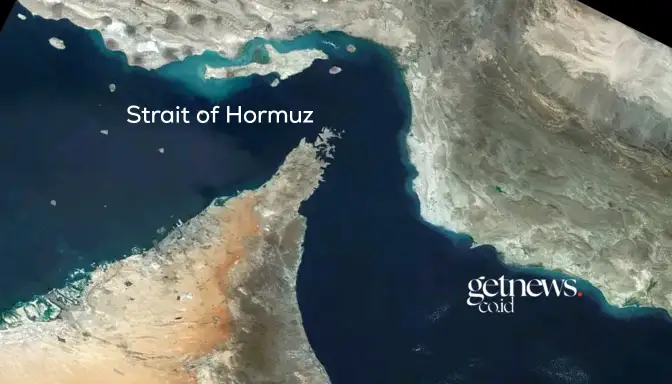
The Strait of Hormuz remains one of the most critical geopolitical arteries on Earth, where roughly a fifth of global oil supplies pass right under the watchful gaze of Iran’s coastal defenses. In those narrow waters, sea mines, missile-armed fast boats, and shore batteries care very little about all-caps political grandstanding on the timeline.
You can type out the longest, fiercest thread known to humanity, but if a commercial oil tanker still has to crawl through a narrow maritime corridor under the shadow of local artillery, those tweets won’t rewrite global supply chains—they’ll just get a few retweets before everyone goes back to worrying about insurance premiums.
Between Campaign Bluster and Open Ocean Realities
Tehran’s sharp warning proves once again that 21st-century warfare isn’t just about who boasts the biggest defense budget; it’s also about who has the iron nerves to withstand aggressive foreign policy bluster.
For politicians who love soaring rhetorical flourishes to win votes, the Strait of Hormuz makes for a fantastic theatrical stage. But for sailors locked inside cramped steel war machines—or ordinary civilians bracing for global energy spikes—the strait is a high-stakes red zone where a single miscalculation can send the whole region straight into the frying pan.
The ultimate lesson for today’s world leaders? If you’re planning to take over the Strait of Hormuz, bring an actual logistics and military strategy, not just a draft tweet written at 2 AM during a bout of insomnia!